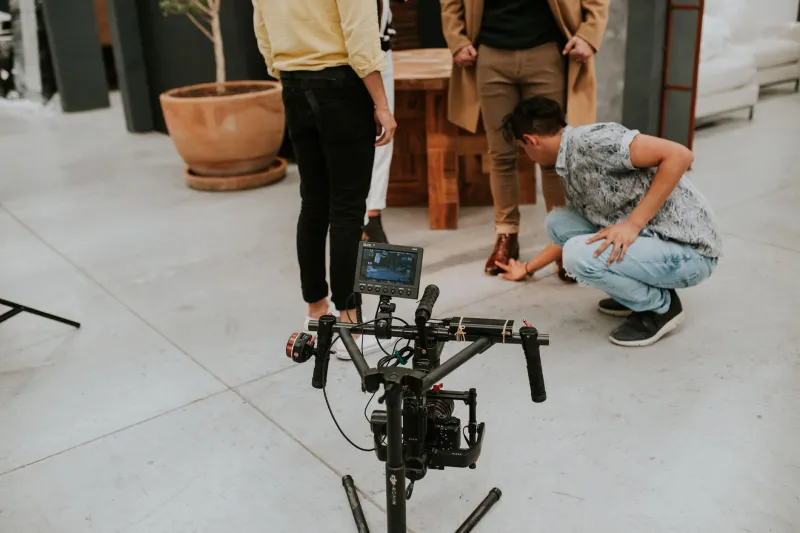
Shooting Back: How Medellín's Filmmakers Are Finally Telling Their Own Story
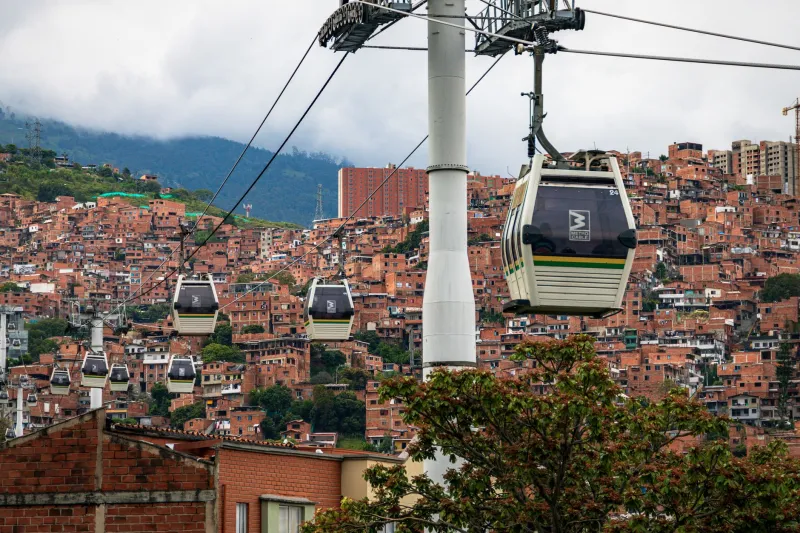
Picture this: you're a filmmaker born and raised in Medellín. You grew up riding the Metro Cable over neighborhoods that have transformed almost beyond recognition. You watched your city reinvent itself — through urban innovation, grassroots art movements, and sheer communal willpower. Then you turn on Netflix and see, once again, a fictionalized Pablo Escobar ordering hits from a hacienda while a white American actor narrates in a dubious accent.
That disconnect — between lived experience and exported image — is exactly what's fueling one of the most compelling creative shifts happening in Latin American cinema right now.
The Cartel Filter and Why It Stuck
Let's be honest about how we got here. Narcos, Escobar: Paradise Lost, El Patrón del Mal — these productions weren't made in a vacuum. They tapped into a very real appetite among global audiences for crime drama, and Medellín's history handed them a ready-made mythology. The problem isn't that those stories were told. It's that they became the only story the world wanted to hear.
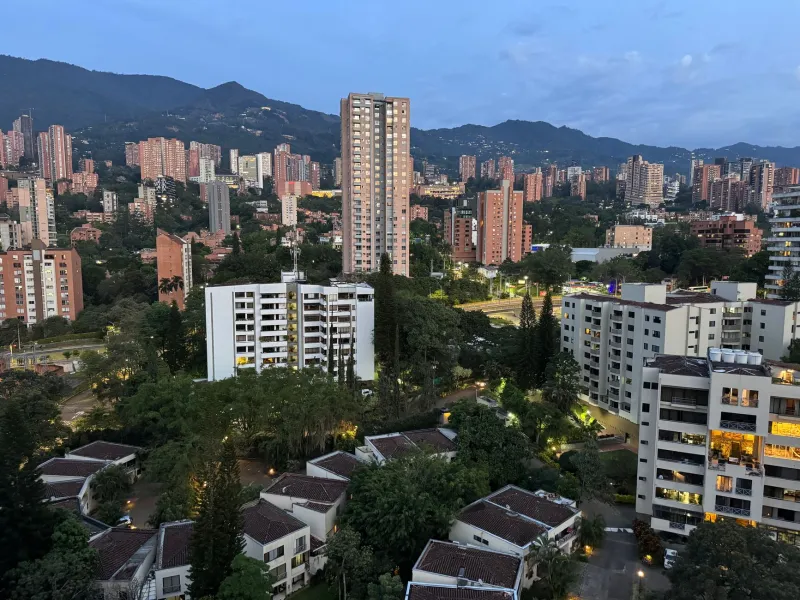
For US audiences especially, Medellín became synonymous with a single era, a single figure, a single brand of violence. The city's extraordinary architectural comeback — including the celebrated urban acupuncture projects that won international design awards — barely registered. The flowering of its tech startup scene? Invisible. The vibrant street art culture of El Poblado and Laureles? Cropped out of the frame.
Colombians noticed. And they started picking up cameras.
A New Generation Steps Behind the Lens
Contemporary Colombian directors like Ciro Guerra (Embrace of the Serpent), Laura Mora (Killing Jesus, The Kings of the World), and Rubén Mendoza have been building a counter-narrative for years — one that doesn't ignore Colombia's complicated past but refuses to be imprisoned by it. Mora's The Kings of the World, which took the top prize at San Sebastián in 2022, is a perfect example: a road movie about five men navigating a changing Colombia that feels nothing like a cartel thriller. It's poetic, unhurried, and deeply human.
In Medellín specifically, younger producers are increasingly developing projects through local initiatives like Proimágenes Colombia and the Medellín Film Commission, which have worked to lower barriers for homegrown storytellers. The pitch they're making to audiences — and to investors — is straightforward: authentic stories don't just have moral value. They have commercial value too.
The Pressure to Perform for Foreign Eyes
Here's where it gets complicated, though. The global streaming economy doesn't exactly reward restraint. When a Colombian production house pitches a slice-of-life drama about a paisas family navigating housing insecurity, the response from international platforms is often a polite but firm redirection toward something with more "international appeal" — code, frequently, for something darker and more familiar.
Directors working in this space talk openly about the negotiation involved. The temptation to include some cartel adjacency — a subplot, a reference, a cameo of menace — to get a project greenlit is real. It's a creative compromise that filmmakers navigate with varying degrees of success and frustration.
What's shifting, slowly, is the leverage. As Colombian and broader Latin American content continues to perform on streaming platforms — Club de Cuervos, Siempre Bruja, and more recently Nada have all found genuine audiences — the argument that audiences only want narco-drama is getting harder to sustain.
Culture, Innovation, and the Everyday as Subject Matter
Some of the most exciting work coming out of Medellín right now leans hard into the city's contemporary identity. Documentaries exploring the silletera tradition — the intricate flower arrangements that define Medellín's famous Flower Festival — have found streaming homes. Short film programs highlighting the city's hip-hop and urban art scenes are circulating at festivals from Tribeca to SXSW.
There's also a growing body of work engaging with Medellín's reputation as a Latin American innovation hub. The city that gave the world the outdoor escalators of Comuna 13 (yes, outdoor escalators built into a hillside neighborhood as a public transit solution) is a genuinely fascinating subject — and filmmakers are starting to treat it that way.
Comuna 13 itself has become a recurring setting in new Colombian cinema — not as a symbol of gang violence, as it was once primarily framed, but as a living example of community-driven transformation. That reframing is deliberate, and it matters.
What US Audiences Are Missing
For viewers in the States who've been fed a steady diet of cartel content, this shift in Colombian filmmaking offers something genuinely refreshing: complexity. Medellín on film, when rendered by the people who actually know it, is a city of contradictions — gorgeous and gritty, traditional and wildly innovative, scarred by history and stubbornly optimistic about its future.
That's a much more interesting movie than the one we've been watching.
The good news is that access is improving. Platforms like MUBI and Criterion Channel have expanded their Latin American catalogs significantly. Film festivals with strong Latin programming — Los Angeles Latino International Film Festival, the New York Latin Film Festival — are actively platforming this new wave of Colombian storytelling.
The audience is there. It just needs to know where to look.
The Story Isn't Over — It's Just Starting
Medellín's filmmakers aren't asking for a sanitized version of their city's history. They're not demanding that the cameras only show flower festivals and cable cars. What they're pushing for is something more fundamental: the right to be the authors of their own complexity.
That's not a small ask in an industry where distribution dollars and algorithmic recommendations still heavily shape what global audiences see. But the momentum is real, the talent is undeniable, and the stories waiting to be told are genuinely compelling.
The cocaine cowboys had their close-up. Now it's Medellín's turn to direct.